The deployment of Large Language Models (LLMs) on mobile devices is rapidly expanding, making battery life a critical bottleneck for edge AI. While existing efficiency research heavily focuses on model-centric optimizations like quantization or pruning, a fundamental question has remained largely underexplored: how does the design of the prompt itself affect the energy consumption of on-device LLMs? To address this, we conducted the first large-scale empirical study to systematically investigate how two key prompt properties: cognitive load and phrasing pattern, shape the energy behavior of on-device inference. We constructed a novel, controlled dataset to isolate reasoning demands from semantic meaning, and performed fine-grained, phase-level power profiling across diverse models and mobile devices. Our findings reveal a distinct dichotomy: cognitive load primarily drives the energy cost per token, whereas surface-level phrasing patterns dictate energy consumption mainly by altering overall token usage. Furthermore, our analysis shows that smart, model-aware prompt design can significantly push the boundaries of a model’s energy-quality Pareto frontier, offering a powerful new, model-agnostic lever for sustainable on-device LLM.
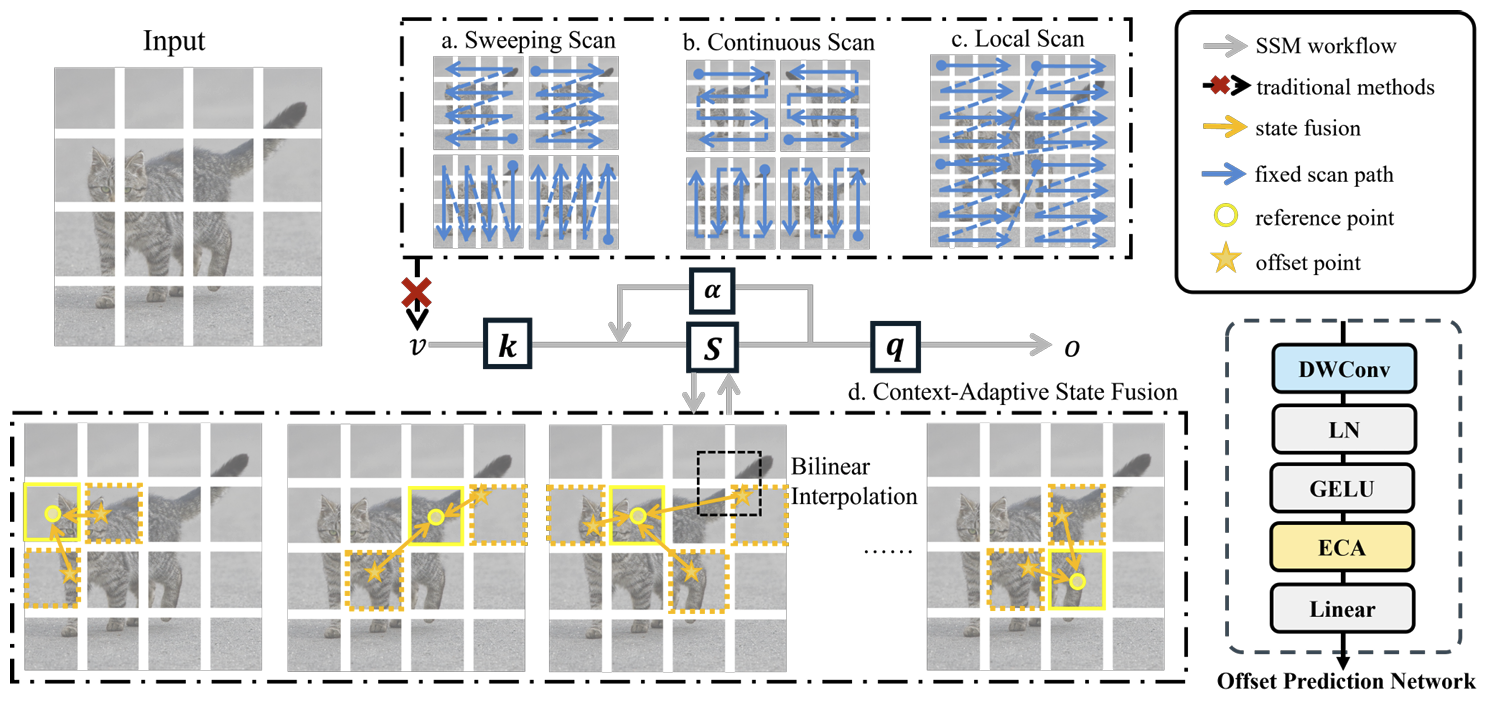
State Space Models (SSMs) have emerged as highly efficient, linear-time alternatives to Transformers, but extending them to vision tasks remains challenging due to their reliance on manually designed, fixed scanning methods that disrupt natural 2D spatial structures. Furthermore, standard SSMs lack a natural mechanism for query-based interactions between distinct information streams, a feature that is critical for complex tasks like multi-view 3D fusion. To address these fundamental limitations, we developed Deformba, a novel vision state space framework featuring Context-Adaptive State Fusion (CASF). Deformba decouples the SSM write and read operations, using a single scan to build a shared state memory and an offset predictor to dynamically sample context-relevant spatial evidence. This write-once, adaptive-read-many paradigm naturally supports both 2D spatial modeling and multi-modal query-to-source fusion, functioning similarly to cross-attention, while maintaining the efficiency and linear computational complexity of SSMs. Extensive experiments demonstrate that Deformba achieves strong, state-of-the-art performance across diverse visual perception benchmarks, spanning general 2D tasks like image classification and object detection, to complex 3D tasks like BEV perception.
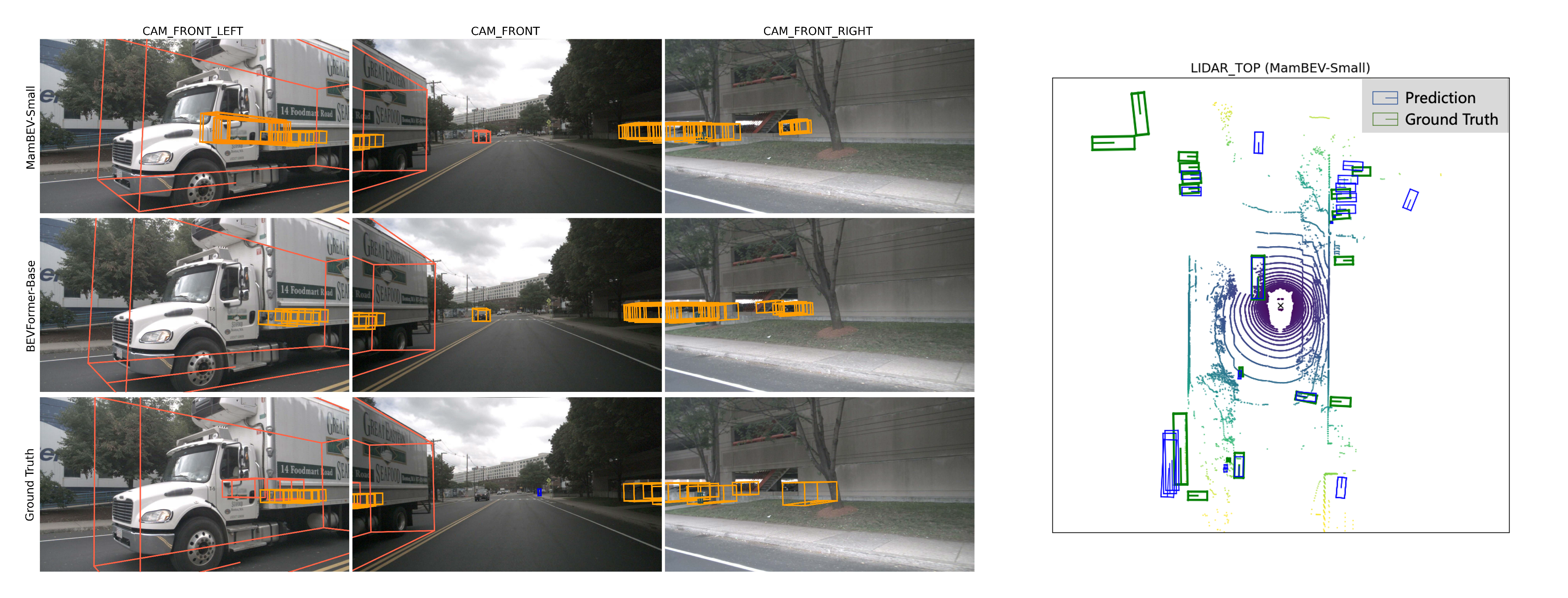
Automatically generating a bird’s-eye-view (BEV) of an object’s surrounding environment is critical for applications like autonomous driving and advanced driver-assistance systems. These systems rely on integrating signals from multiple cameras to construct a top-down view of the environment. Prominent examples include the BEV systems deployed in Tesla cars. However, many existing methods heavily depend on Transformers, which employ computationally expensive attention mechanisms to learn accurate representations.
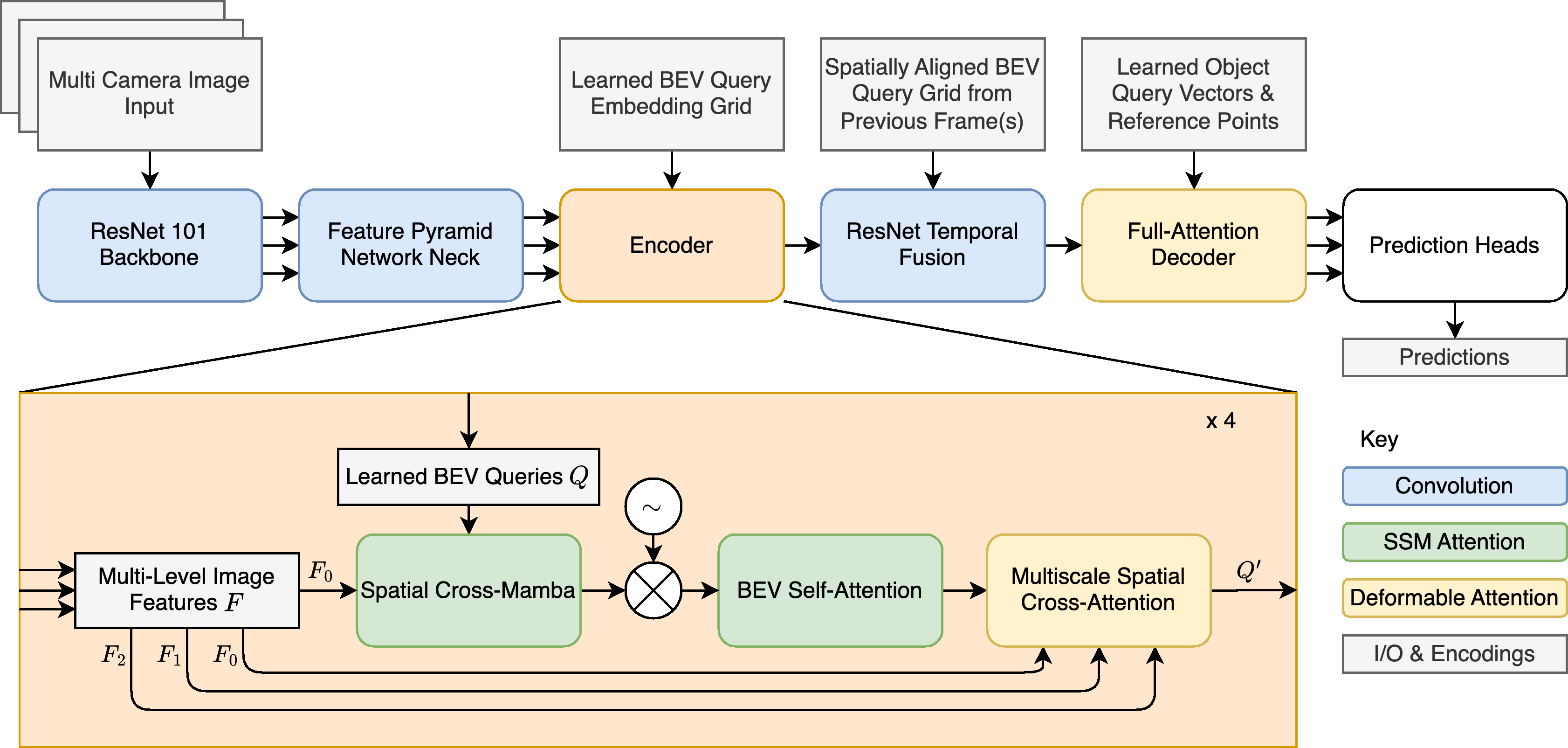
In this work, we introduce Spatial Cross Mamba, an innovative approach analogous to standard cross-attention in Transformers. Our method leverages the efficiency of state space models (SSMs) to significantly reduce the computational overhead associated with Transformers, enabling more efficient and scalable BEV systems without compromising representation accuracy.
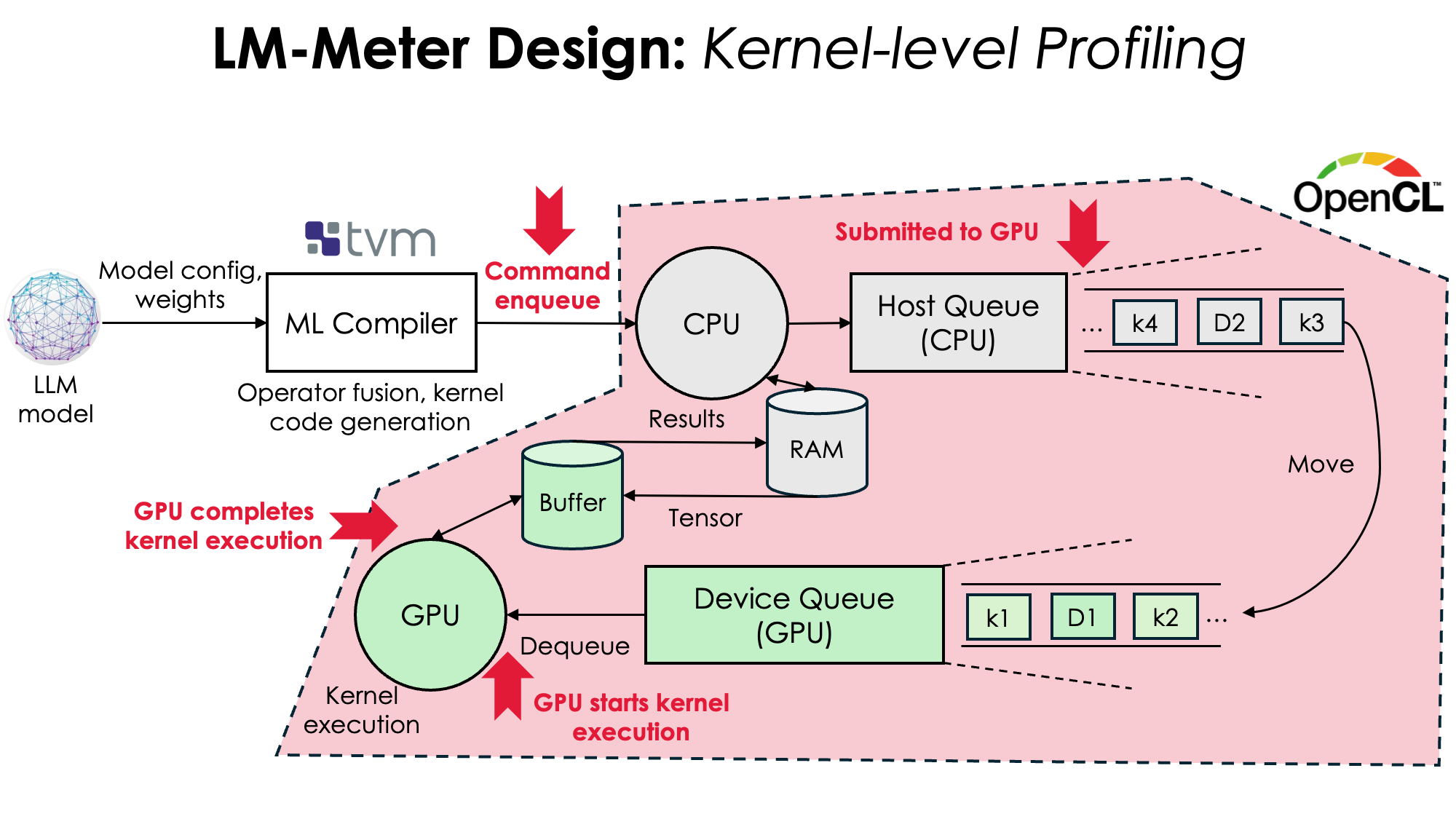
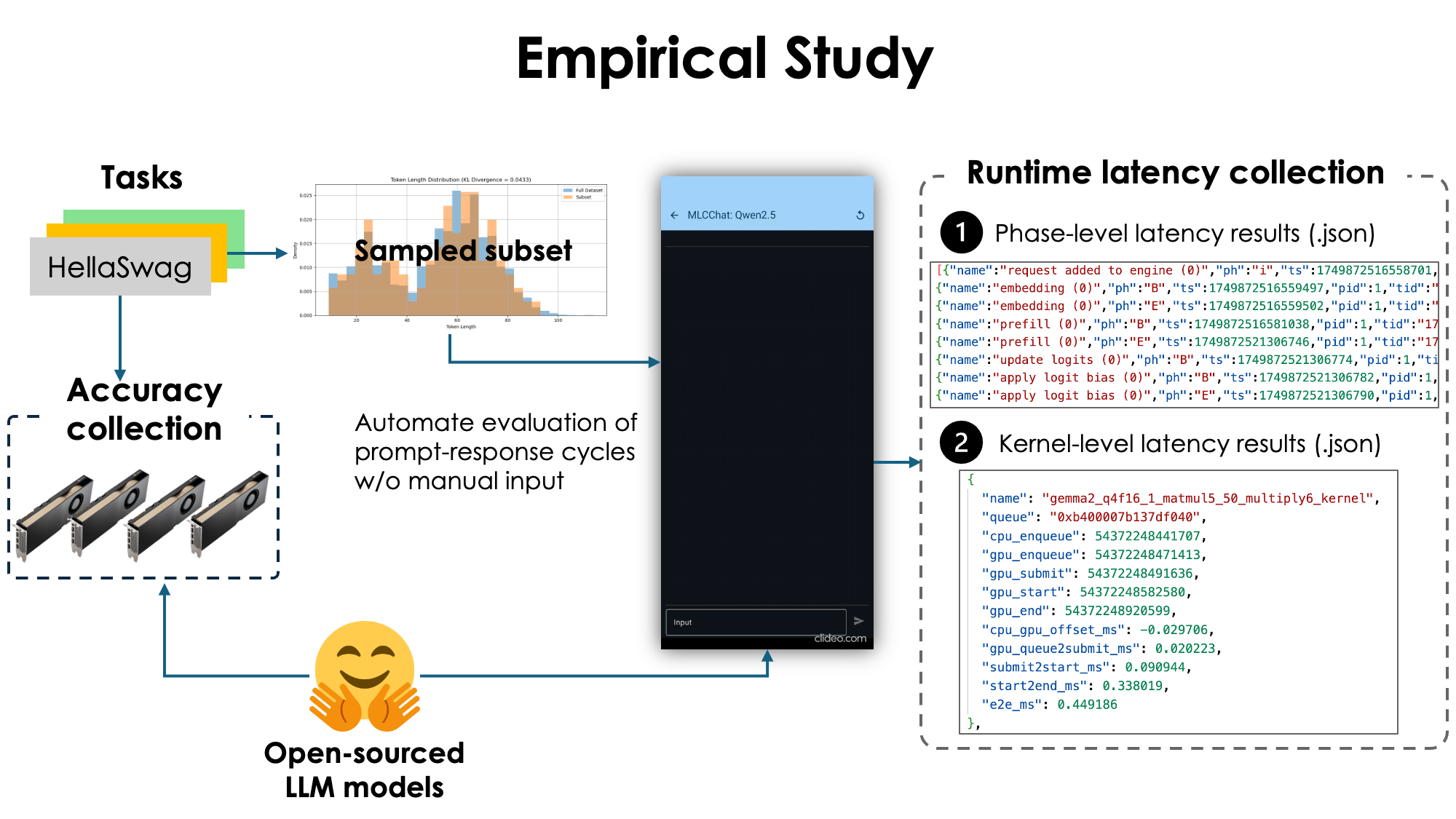
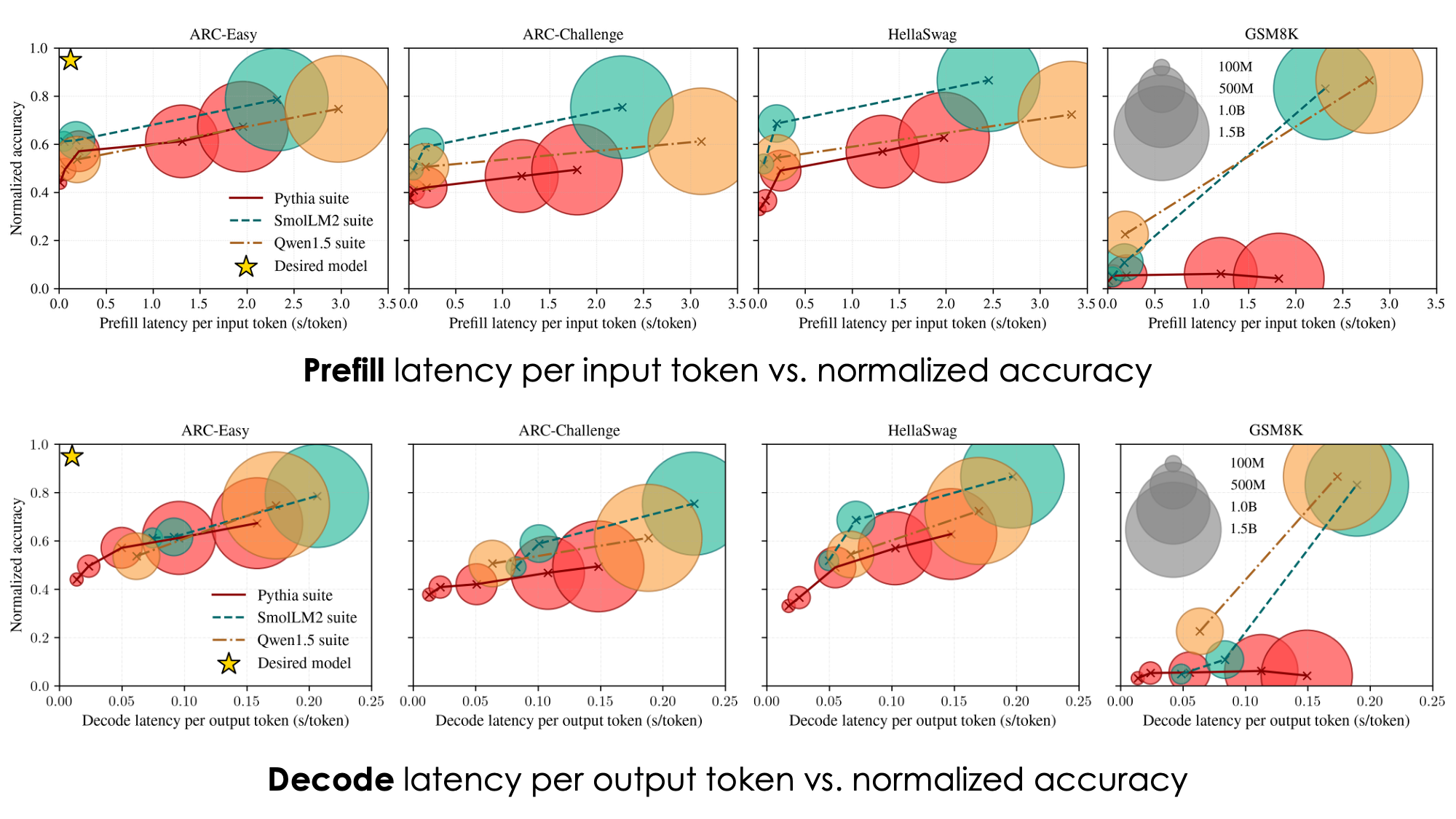
Running LLMs locally on mobile and edge devices promises improved privacy, reliability, and lower communication costs, but remains challenging due to high resource demands and limited visibility into performance-efficiency trade-offs. We present lm-Meter, the first lightweight, online latency profiler for on-device LLM inference. lm-Meter provides fine-grained, real-time phase- and kernel-level latency profiling without auxiliary devices. Implemented on commercial mobile platforms, lm-Meter achieves high accuracy with minimal overhead (2.58% prefill and 0.99% decode throughput loss under the most constrained power settings). Leveraging lm-Meter, we conduct comprehensive empirical studies revealing phase- and kernel-level bottlenecks in on-device LLM inference, quantifying accuracy-efficiency trade-offs, and identifying systematic optimization opportunities. lm-Meter provides unprecedented visibility into the runtime behavior of LLMs on constrained platforms, laying the foundation for informed optimization and accelerating the democratization of on-device LLM systems.
PlatformX is an end-to-end, fully automated platform for hardware-aware Neural Architecture Search (HW-NAS) targeting energy-efficient deep neural networks on mobile and edge devices. PlatformX integrates four key components: (i) an energy-driven search space that expands conventional NAS design by incorporating energy-critical configurations, enabling exploration of high-efficiency architectures; (ii) a transferable kernel-level energy predictor across devices and incrementally refined with minimal on-device samples; (iii) a Pareto based multi-objective search algorithm that balances energy and accuracy to identify optimal trade-offs; and (iv) a high-resolution runtime energy profiling system that automates on-device power measurement usingexternal monitors without human intervention.
Despite the remarkable advances in edge device capabilities such as functionality, computation power, and storage capacity, the limited energy capacity has been the major bottleneck in promoting advanced edge AI applications. For instance, mobile and edge devices are typically powered solely by embedded batteries, so their energy capacity is significantly constrained by form factor requirements, safety considerations, manufacturing costs, and concerns on the environmental impact of the battery technology used.
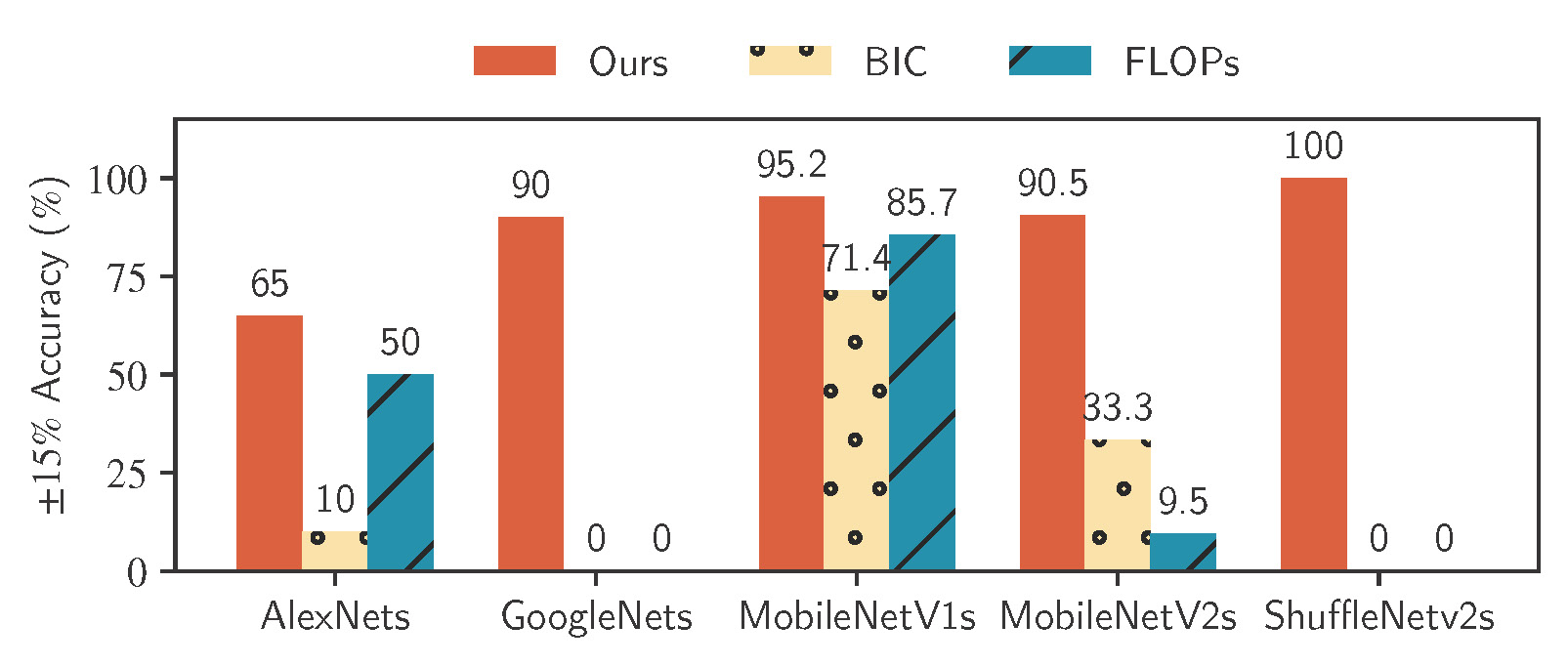
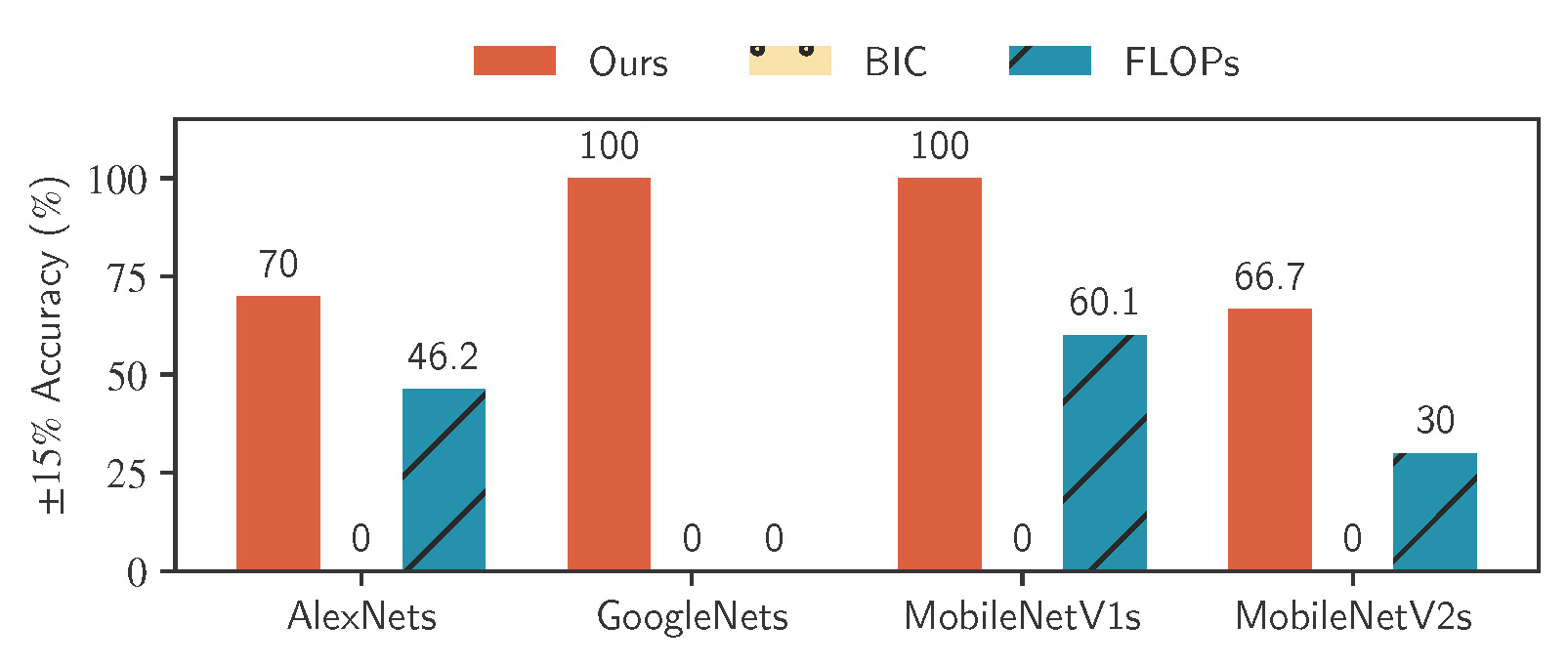
In this work, we studied the problem of accurate energy measurement, prediction, and understandable scoring of on-device deep learning across edge hardware. We created kernel-, model-, and application-level datasets for on-device deep learning. We designed and implemented the first kernel-level energy predictors on both mobile CPU and GPU. It can provide consistently accurate energy estimation on unseen DNN models.
The goal of this research pillar is to improve system performance, especially latency and energy efficiency, of mobile AR/VR devices. We primarily focus on adapting the system configurations of mobile AR devices to address the trade-offs between user preferences and performance requirements.
We are also recently interested in prototyping systems for emerging AR applications including: collaborative AR, mobile AR with generative AI, AR for scientific data exploration, etc.
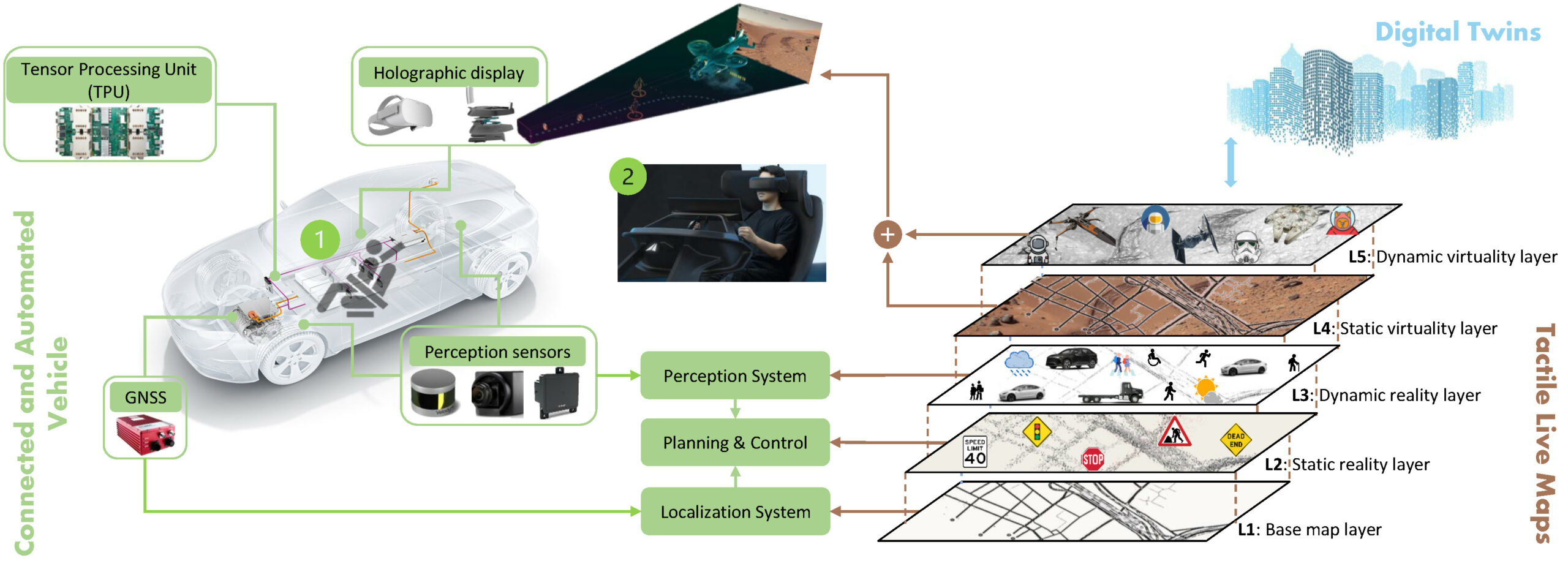
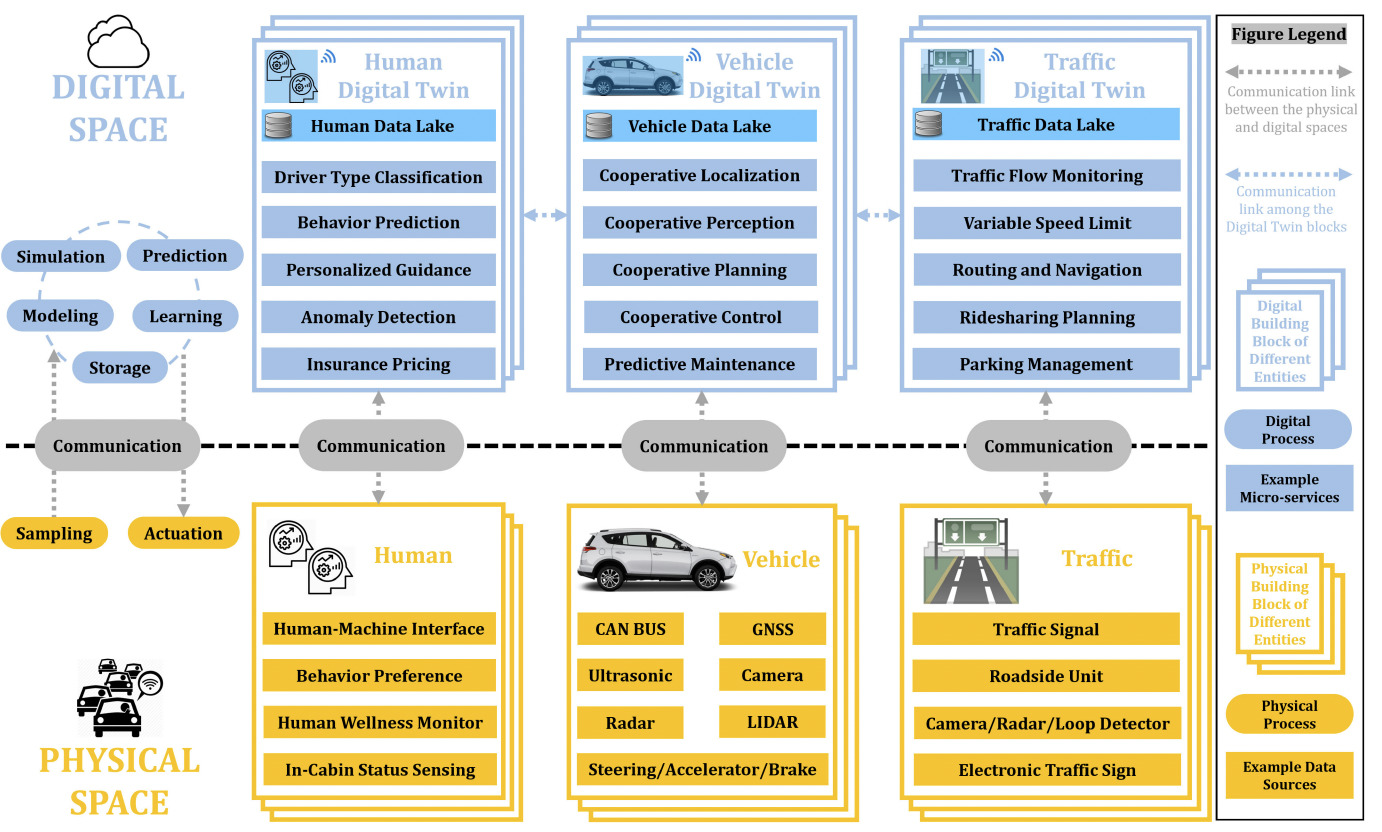
The goal of this research pillar is to conduct pioneering study on digital twins for connected and automated vehicles (CAVs). Our vision is to create fair, affordable, and efficient mobility solutions by leveraging digital twins and edge computing.
We are primarily interested in: Visualization of mobility digital twin with NeRF, cooperative perception, security in CAVs, etc.